
Replace all teeth
Full Dentures
A removable appliance designed to replace all teeth in the upper arch, lower arch or both. Careful planning helps achieve a balanced bite and natural appearance.
Missing teeth can change how you eat, speak and feel in everyday life. Our St. Johns team creates comfortable, natural-looking denture solutions designed around your smile, your needs and your budget.
No pressure. Just clear answers about the options that may fit you best.
We consider fit, facial proportions, bite and tooth appearance—not just the space that needs to be filled.
From traditional full or partial dentures to implant-supported solutions, your plan is tailored to your goals.
Adjustments and follow-up matter. We help you adapt and protect the health of your mouth over time.
Dentures are not one-size-fits-all. The right solution starts with understanding what is making life difficult now and what you want to regain.
Whether you are replacing several teeth, preparing for your first full denture or struggling with an older appliance that feels loose or uncomfortable, we will evaluate your mouth carefully and explain the available paths in plain language.
The best option depends on how many teeth are missing, the condition of your remaining teeth and gums, your priorities and your budget.
A removable appliance designed to replace all teeth in the upper arch, lower arch or both. Careful planning helps achieve a balanced bite and natural appearance.
A removable solution that fills gaps while working with your remaining natural teeth. Partial dentures can restore function without replacing healthy teeth unnecessarily.
Dental implants can help stabilize a denture and reduce movement. Eligibility depends on your oral health, anatomy and treatment goals.
In appropriate cases, a denture can be prepared before extractions so you do not have to go without teeth while the mouth heals. Follow-up adjustments are expected.
Your mouth changes over time. A reline or adjustment may improve comfort and retention when the denture itself remains serviceable.
Cracks, broken teeth and other damage should be evaluated promptly. We will determine whether repair or replacement is the safer long-term choice.
A well-planned denture process prioritizes communication as much as craftsmanship.
We evaluate your teeth, gums, bite and oral health, then listen to what you want to improve.
We explain appropriate options, anticipated timing and costs so you can make an informed choice.
Records and measurements guide the fit, bite, shape and appearance of your new teeth.
We check comfort and function, provide home-care guidance and make adjustments as needed.
Both approaches can restore a complete smile. The right choice depends on your health, anatomy, expectations and financial priorities.
A clinical examination and appropriate imaging are required to determine which options are suitable for an individual patient.
Every case is different, but these patient examples show the difference thoughtful treatment planning can make.
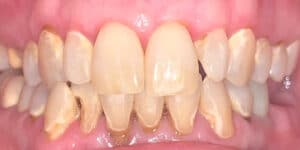
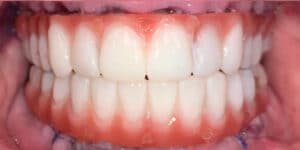
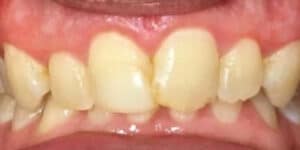
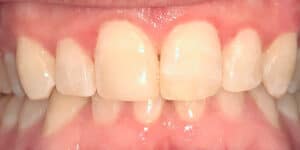
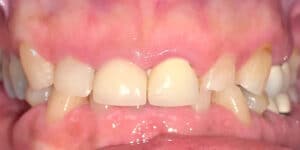

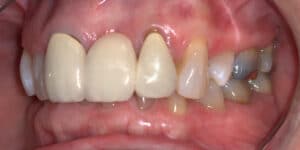
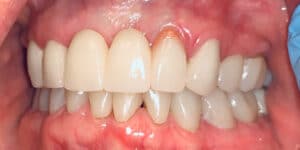
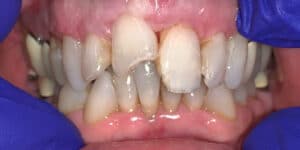
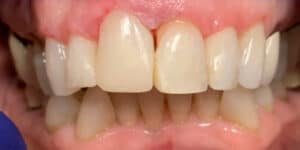
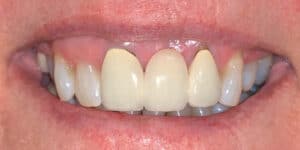
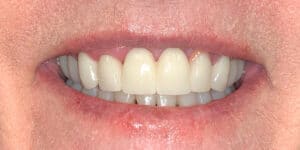
Images depict actual patient treatment from Harbour Dental Care. Individual treatment and results vary. These examples do not guarantee a particular outcome.
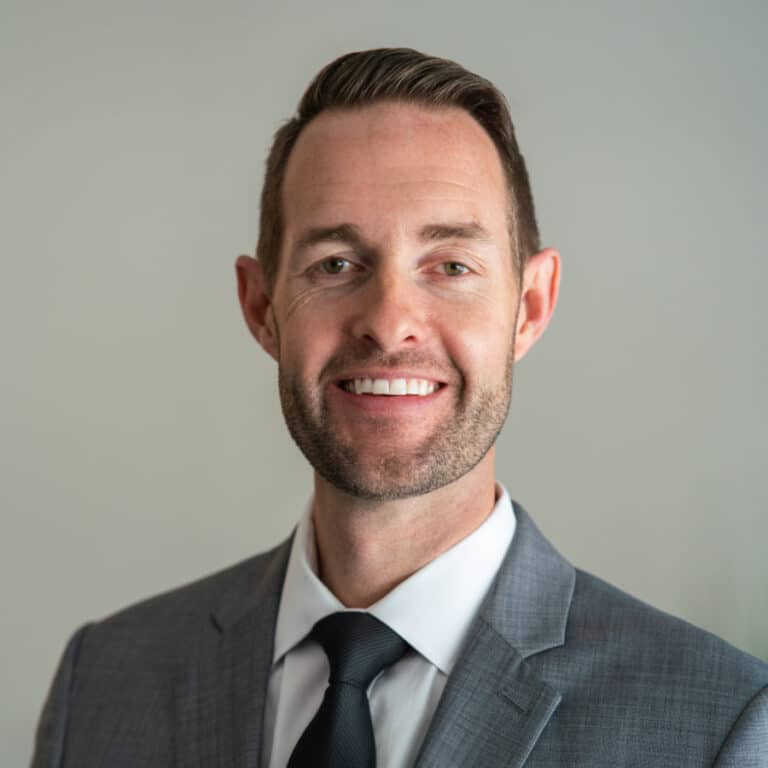
Compassionate, attentive care focused on health, function and a smile you can feel good about.
Dr. Kevin Snyder is committed to treating patients like family and creating an environment that feels welcoming and comfortable. He believes each person deserves personal attention, clear communication and high-quality treatment—not a rushed, one-size-fits-all experience.
For patients considering dentures, that means taking time to understand how tooth loss is affecting daily life, explaining realistic options and coordinating the care needed to restore comfort and confidence.
The goal is not simply to replace teeth. It is to help you feel informed, respected and supported throughout treatment.
Straightforward answers to questions patients often ask before scheduling.
A partial denture may be appropriate when healthy natural teeth remain. A full denture replaces all teeth in an arch. Your dentist must evaluate the condition and prognosis of your remaining teeth before recommending either option.
Modern dentures can be designed with careful attention to tooth shape, shade, arrangement and facial support. Results depend on your anatomy, treatment plan and the type of prosthesis selected.
Timing varies. Traditional dentures generally require several appointments for records, design, try-in and delivery. Immediate dentures can sometimes be delivered at the time of extractions, followed by healing and adjustments.
A brief adjustment period is normal, and sore areas may require follow-up adjustments. Persistent pain, instability or difficulty functioning should be evaluated rather than accepted as unavoidable.
Changes in the jaw and gums can reduce retention over time. Depending on the denture's condition, a reline, adjustment, replacement or implant-supported option may be considered.
Dentures can substantially improve chewing compared with missing teeth, but they do not function exactly like natural teeth. Most patients adapt gradually, beginning with softer foods and learning how to distribute chewing forces.
Remove and clean them as directed, brush your gums and tongue, avoid damaging abrasives or hot water, and attend regular dental visits so your mouth and fit can be monitored.
Yes, implants may provide added support and retention for an appropriately designed denture. Suitability depends on medical and dental factors that must be assessed clinically.
Coverage varies by plan and benefit limitations. The office can review available benefit information and discuss estimated out-of-pocket costs before treatment.
Meet with our St. Johns team, understand your options and get a treatment plan built around your needs.